Sharp Fuel Price Hike by Nayara Energy Raises Inflation Concerns Across States
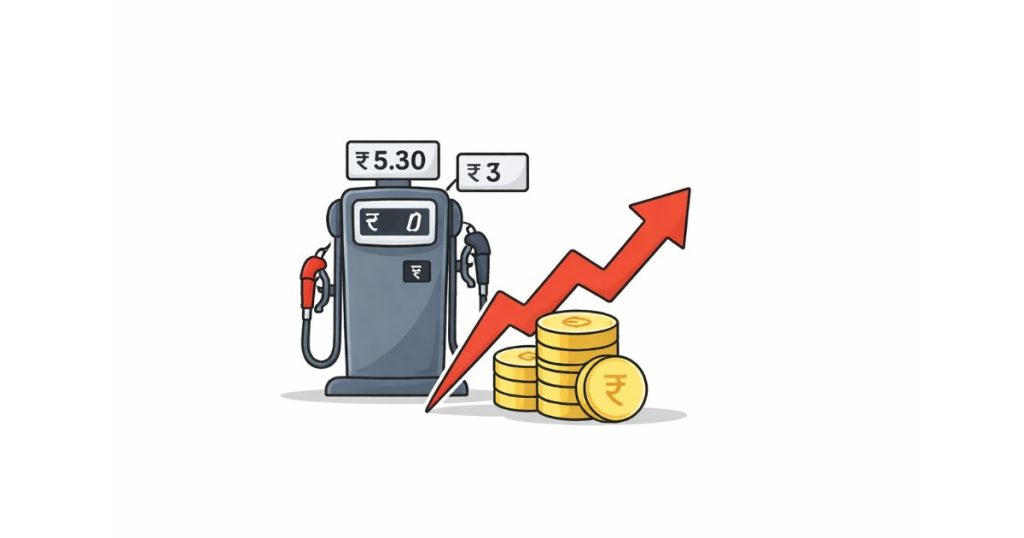
Petrol and diesel prices rise sharply at Nayara Energy outlets, raising concerns over inflation and regional price disparities.
A fresh fuel price hike by Nayara Energy has pushed petrol and diesel rates higher across several parts of India, raising concerns about inflation and regional price disparities. The private fuel retailer has increased petrol prices by ₹5.30 per litre and diesel by ₹3 per litre, marking one of the sharper revisions in recent months.
The move comes amid rising global crude oil prices and supply-side uncertainties, which have begun to reflect in domestic fuel pricing, particularly in markets served by private players.
Key Highlights of the Price Revision
The latest revision by Nayara Energy has led to:
- Petrol price increase: ₹5.30 per litre
- Diesel price increase: ₹3 per litre
The hike has been implemented across select retail outlets operated by the company, with the impact varying by region depending on logistics, taxation, and local demand conditions.
Unlike state-run oil marketing companies, private retailers often adjust prices more dynamically based on international crude trends and refining margins.
Why the Fuel Price Hike Matters
The fuel price hike by Nayara Energy is significant because fuel prices directly affect multiple sectors of the economy.
Petrol and diesel are critical inputs for transportation, agriculture, and industry. Any increase in their prices tends to have a cascading effect on the cost of goods and services.
Economists note that fuel price movements are closely linked to inflation trends, making such hikes a key concern for policymakers and consumers alike.
Regional Price Impact: Smaller States Hit Harder
One of the immediate effects of the price hike has been uneven regional impact. Smaller states and remote areas, which often depend on private fuel retailers for supply, have witnessed sharper increases.
In these regions:
- Transportation costs have risen quickly
- Retail fuel prices are higher compared to metro cities
- Supply chain costs have increased for essential goods
States with limited competition among fuel retailers may experience more pronounced price spikes, as consumers have fewer alternatives.
This regional disparity highlights structural challenges in fuel distribution across India.
Global Factors Driving the Increase
The fuel price hike by Nayara Energy is largely influenced by global market conditions.
1. Rising Crude Oil Prices
International crude oil prices have surged due to supply concerns and geopolitical tensions. Higher crude prices increase the cost of refining fuel, which is eventually passed on to consumers.
2. Geopolitical Tensions
Ongoing global tensions, particularly in oil-producing regions, have created uncertainty in supply chains. This has contributed to volatility in energy markets.
3. Currency Fluctuations
A weaker Indian rupee against the US dollar makes crude imports more expensive, adding further pressure on domestic fuel prices.
Impact on Inflation
The fuel price hike by Nayara Energy is expected to have a direct impact on inflation.
Higher fuel prices typically lead to:
- Increased transportation costs
- Higher prices of food and essential commodities
- Rising input costs for industries
Inflationary pressure may intensify if fuel prices remain elevated for an extended period.
Economists warn that such developments could complicate monetary policy decisions, especially if inflation moves beyond targeted levels.
Effect on Common Consumers
For everyday consumers, the price hike translates into higher daily expenses.
Key areas of impact include:
- Commuting costs: Increased spending on petrol for personal vehicles
- Public transport fares: Possible fare hikes due to higher diesel costs
- Household expenses: Rising prices of goods due to increased logistics costs
In smaller towns and rural areas, where income levels are relatively lower, the impact can be more pronounced.
Industry and Business Implications
The fuel price hike is also expected to affect businesses across sectors.
Transport and Logistics
Higher diesel prices increase freight costs, affecting supply chains and retail pricing.
Agriculture
Diesel is widely used for irrigation and farm machinery. Rising fuel costs can increase agricultural input expenses.
Manufacturing
Industries dependent on transportation and energy inputs may face higher operational costs.
Businesses may pass on these costs to consumers, further contributing to inflation.
Comparison with Public Sector Fuel Pricing
Unlike public sector oil marketing companies, private players like Nayara Energy often adjust prices more frequently.
Public sector companies sometimes absorb short-term volatility or delay price revisions due to policy considerations. In contrast, private firms tend to align prices more closely with market conditions.
This difference can lead to temporary price variations between outlets operated by public and private companies.
Policy and Regulatory Context
Fuel pricing in India is largely market-linked, especially after deregulation. However, governments can still influence prices through taxes and duties.
In times of rising global prices, policymakers may consider:
- Adjusting excise duties
- Providing targeted subsidies
- Monitoring market practices
The current hike may renew discussions around fuel taxation and pricing mechanisms.
Market Reaction and Consumer Sentiment
The fuel price hike by Nayara Energy has triggered concern among consumers and industry stakeholders.
Many consumers are adopting a cautious approach, cutting down on discretionary travel and expenses.
Businesses are also reassessing cost structures to manage rising fuel expenses.
The overall sentiment remains cautious, with stakeholders closely watching further developments in global oil markets.
Broader Economic Implications
Fuel prices are a critical component of the broader economy. Sustained increases can:
- Slow down consumption
- Impact economic growth
- Increase cost pressures across sectors
If global crude prices continue to rise, the impact could extend beyond fuel markets to the overall economic outlook.
What Lies Ahead
The future trajectory of fuel prices will depend on several factors:
- Global crude oil trends
- Geopolitical developments
- Currency movements
- Domestic policy decisions
If international prices stabilise, there may be room for correction. However, continued volatility could keep domestic fuel prices elevated.
A Key Moment for Fuel Markets
The latest fuel price hike by Nayara Energy underscores the sensitivity of domestic fuel prices to global developments.
While the immediate impact is visible in higher petrol and diesel rates, the broader implications extend to inflation, regional disparities, and economic stability.
As consumers and businesses adjust to the new price levels, the focus will remain on how global and domestic factors shape the fuel market in the coming weeks.
Last Updated on: Friday, March 27, 2026 3:49 pm by Business Max Team | Published by: Business Max Team on Friday, March 27, 2026 3:49 pm | News Categories: Business, Business Max News
About The Author